
Kitchen Cabinet Quote Comparison
Prepare comparable kitchen cabinet quote requests with a stable item list, appliance inputs, written alternates, and clearly separated costs.
Bring your project details together before considering a cabinet purchase.
Send my cabinet inquiry
Or call (562) 203-3232. Calls only, we do not receive text messages.
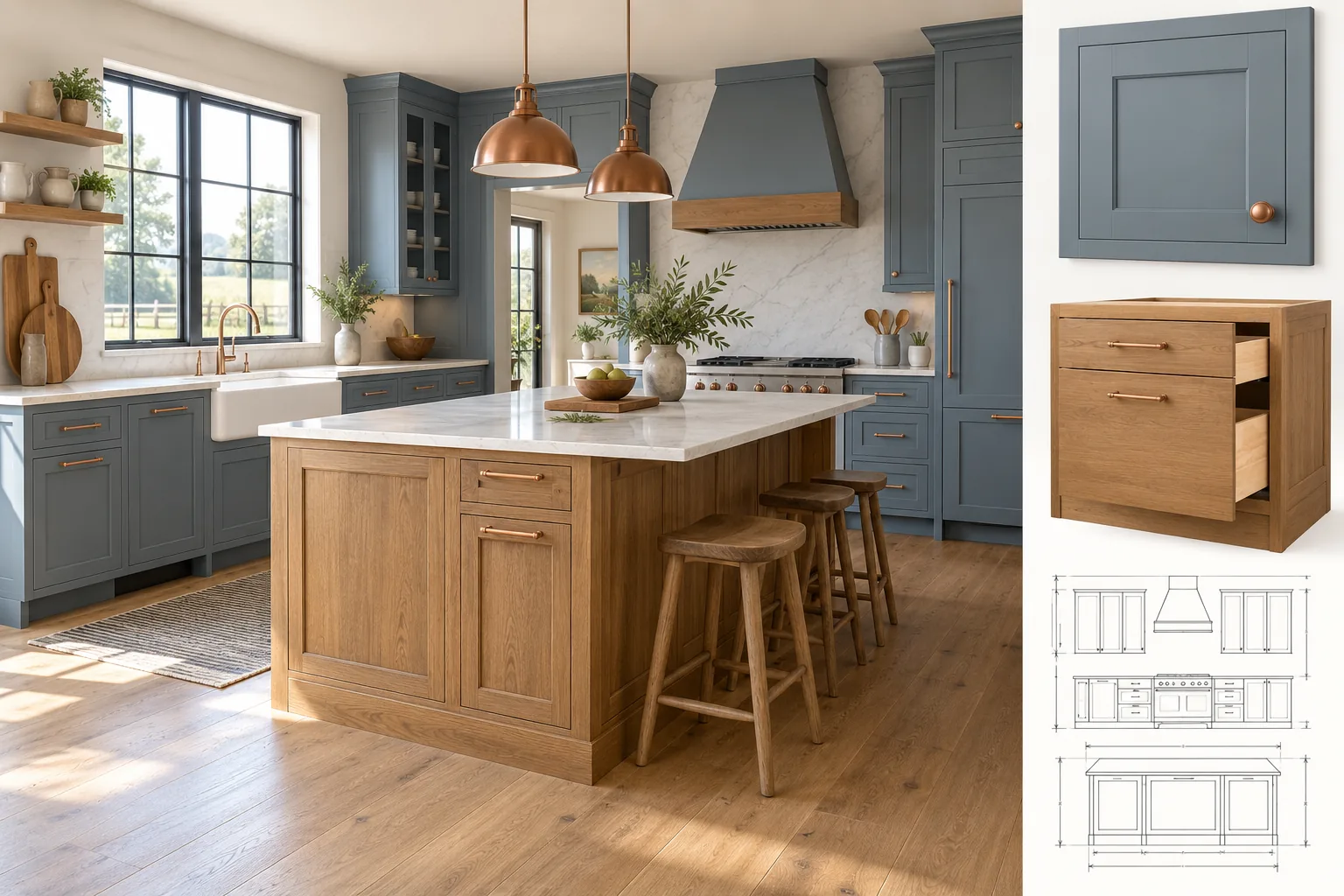
Start with the decision blocking progress rather than selecting every topic at once. A clear brief can combine related questions, but it should show where product ordering ends and where seller fulfillment, property verification, receiving, or separately contracted work begins. That boundary keeps an inquiry useful and truthful.
About Westminster Cabinet Compass
Independent cabinet buying information and quote-request service. We do not manufacture, stock or install cabinets. A referral, supplier response, appointment or purchase is not guaranteed. Product availability, delivery and installation must be confirmed directly with the seller or separately engaged contractor.
Every service
Prepare comparable kitchen cabinet quote requests with a stable item list, appliance inputs, written alternates, and clearly separated costs.
Organize room dimensions, openings, appliances, utilities, and drawing revisions before a responsible party verifies the final cabinet order.
Compare cabinet order formats through construction, assembly responsibility, package handling, storage, damage reporting, and written seller terms.
Prepare a vanity quote request that separates the cabinet, top, sink, accessories, freight, plumbing compatibility, and installation responsibility.
Organize unit types, quantities, phases, substitutions, freight, approvals, and receiving responsibilities for a cabinet package inquiry.
Prepare a cabinet receiving plan for the exact address, handoff, package inspection, storage, freight comparison, and seller reporting terms.
Use the kitchen quote path when the main task is comparing box quantities, construction, finish pieces, accessories, and written seller assumptions. Use layout preparation when the room notes, appliance inputs, or drawing revisions are not yet organized. The first asks what a seller is pricing. The second asks what information must be stable before that price can be interpreted.
The RTA and assembled topic fits a buyer comparing assembly responsibility, package count, handling, and storage. Vanity guidance focuses on the cabinet, top, sink, plumbing positions, and door swing around one smaller but compatibility-sensitive purchase. Neither topic decides that a product fits. Each produces questions for the responsible seller and property professionals.
Package inquiries are for repeated rooms, unit types, phases, or larger quantity schedules. Delivery planning is for the final handoff, including address, receiving contact, package inspection, and seller reporting terms. A simple test helps: if the unanswered question starts with “what is included in the product,” choose a product topic; if it starts with “how does the order reach and leave the receiving point,” choose delivery planning.
Westminster Cabinet Compass provides independent buying information and a way to organize an inquiry. It does not stock cabinets, represent a manufacturer, approve a property, perform measurements, assemble products, carry freight indoors, or install an order. A request submitted through the site does not create any of those services or guarantee a referral.
Write each outside responsibility next to the party expected to answer it. The seller addresses its product specifications, availability, quote, and commercial terms. A carrier addresses the offered handoff. The purchaser names the receiving contact. A property representative addresses access or building rules. Separately engaged trades address their own measurements, utilities, labor, and compatibility work.
This role list also exposes gaps. If no one is assigned to verify final dimensions, the gap should remain visible. If a seller has not confirmed delivery to the exact address, do not replace that answer with a county or locality name. Good inquiry preparation clarifies who must decide; it does not manufacture the decision.
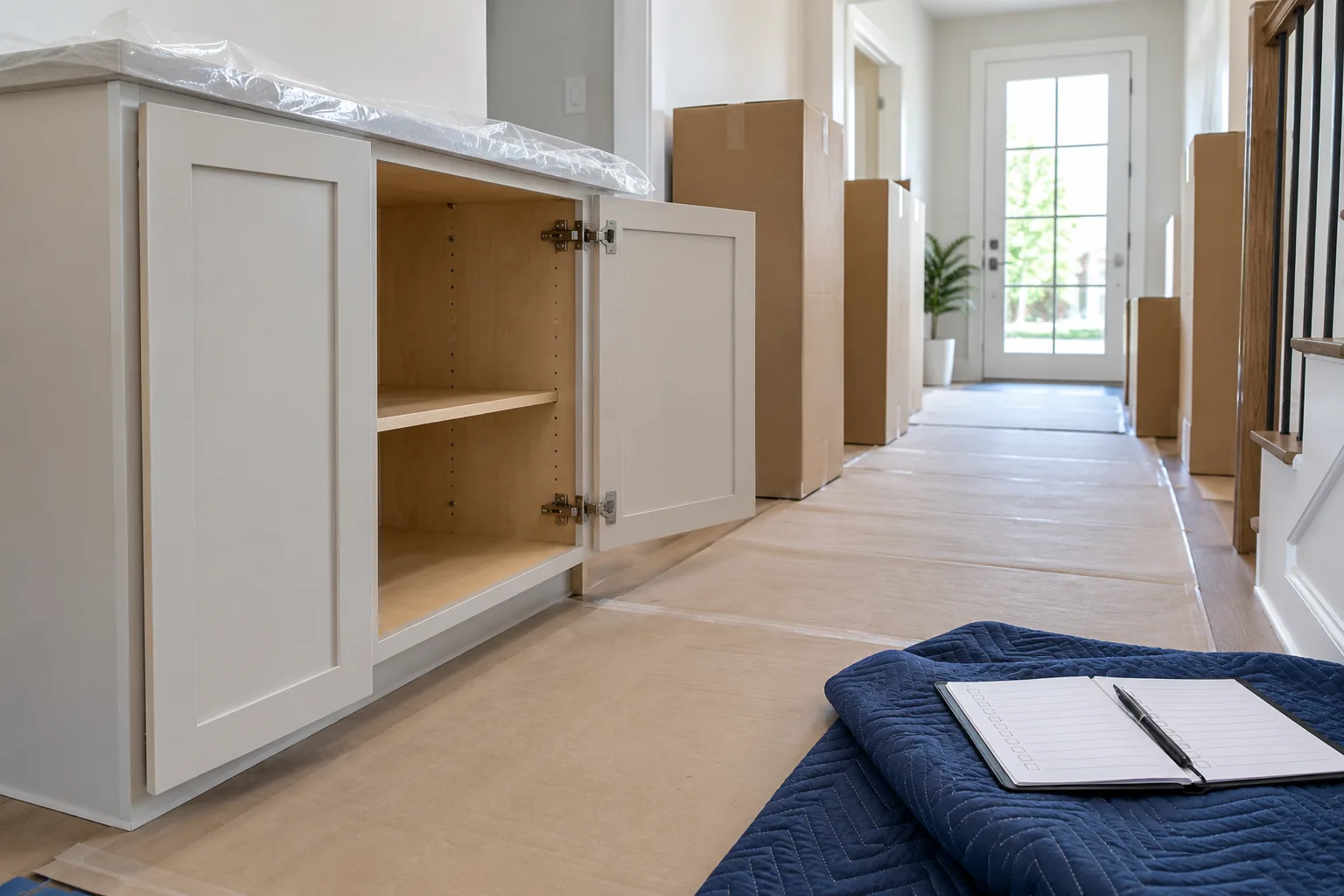
Product proposals should identify cabinet boxes, fronts, shelves, panels, fillers, trim, accessories, and finish choices. Logistics may add freight, pickup, delivery, handling, redelivery, or storage. RTA orders may leave assembly to the buyer or a separate provider. Vanity purchases may price the cabinet, top, sink, and accessories as separate or bundled components. Label these categories before comparing totals.
Labor deserves its own section. Demolition, preparation, assembly, installation, plumbing, electrical work, countertop work, and disposal should not disappear into an assumed complete price. Ask the party offering each service for its written scope. The FTC’s estimate guidance supports comparing scope, materials, completion information, and price rather than relying on a verbal total.
Every planning amount remains an estimate, subject to change, and the applicable written quote determines final price. A category can be “not quoted” without being zero. Mark it that way. This prevents an incomplete proposal from appearing cheaper merely because a necessary responsibility is absent.
One kitchen request can include layout inputs, an RTA alternate, and delivery questions when the same cabinet schedule anchors all three. Attach the schedule once, assign a version, and place the questions under separate headings. Do not copy quantities into multiple documents that may drift apart. Refer each question back to the controlling schedule.
A kitchen and vanity can also share one contact record while keeping separate product tables. That separation matters because the finish, top, sink, plumbing, and receiving assumptions may differ. If a seller responds to only one room, the buyer can see which section remains unanswered instead of assuming the response covered both.
Before sending, remove duplicate questions, reconcile conflicting dimensions, and list all attachments. State the exact outcome requested, such as an itemized quote or confirmation of offered delivery terms. The final page should name open decisions and responsible parties. A coherent brief saves effort because its parts agree, not because it implies that one company will fulfill them all.
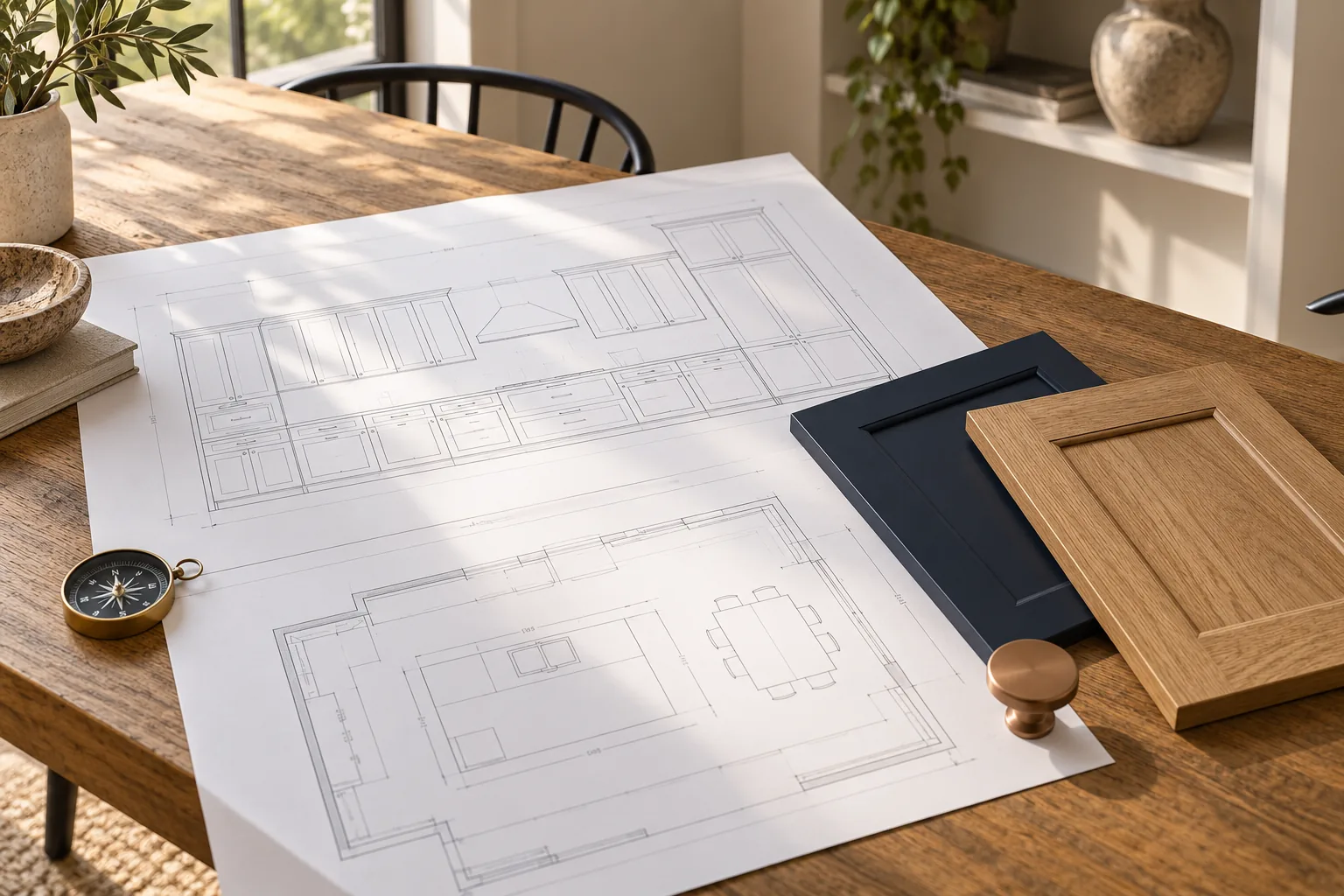
A short intake can route the buyer without forcing an early product decision. Record the room, current project stage, known cabinet categories, whether a drawing exists, retained appliances or sinks, and the exact decision needed next. Add the project and receiving addresses only where they are relevant to the private request.
Then add an open-question table with three columns: question, responsible party, and needed document. “Does the quoted amount include finished end panels?” goes to the seller and calls for an itemized quote. “Who verifies the refrigerator opening?” goes to the assigned responsible professional and calls for a checked drawing. This table turns uncertainty into work that can be completed.
Review the intake before selecting a path. If most open items concern quantities and inclusions, begin with quotes. If they concern dimensions and adjacency, begin with layout preparation. If the product is defined but the handoff is not, begin with delivery planning.
Separate requests when they have different buyers, addresses, schedules, or approval chains. A vanity for one property and kitchen cabinets for another should not share a quote merely because the finish direction is similar. The same applies when one room is ready for pricing and another remains a concept.
Also separate an alternate from a baseline when the change affects many items. A different construction level, finish family, or order format can alter enough lines that a side note becomes hard to audit. Ask for a clearly labeled alternate schedule rather than a single unexplained adjustment.
The objective is a request a recipient can answer without guessing which facts apply. Combining related questions can reduce repeated background, but clarity controls. When scopes diverge, two smaller records are more useful than one document full of exceptions.
Inquiry process
Sending an inquiry does not reserve products or book work.
Include project ZIP, room, approximate cabinet list and preferred timing.
Identify assembly, access, measurements and any separately arranged labor.
An inquiry can be referred only if a suitable seller accepts the location and product request.
Confirm the final drawing, itemized price, payment, delivery and return terms directly before ordering.
Questions
Use kitchen quote guidance when you have a product list to price. Use layout preparation when dimensions, openings, appliances, or drawing revisions still need organization. Add RTA comparison or delivery planning only when assembly format or the receiving handoff is a separate decision.
Yes, but use separate schedules for the kitchen and bathroom. Identify the cabinet, finish, accessories, sink or top questions, and receiving assumptions for each room. A combined request does not mean the same seller will accept or supply both scopes.
No supplier or installer is established by this page. The buyer must obtain written confirmation from the seller that accepts the product request and separately arrange any measurement, assembly, delivery, installation, plumbing, electrical, or countertop work needed.
Use one dated product schedule as the shared reference, then group quote, layout, order-format, and delivery questions under distinct headings. Assign each unanswered item to the seller, buyer, carrier, property contact, or separate professional responsible for deciding it.
Local buying information
Describe the purchase and project ZIP in Westminster. Supplier acceptance and any referral are confirmed separately; no visit or quote is booked by this form.
Calls only, we do not receive text messages.