
Cabinet Delivery Planning in Westminster, MD
List delivery access and order questions to confirm directly with the seller.
Send my cabinet inquiry
Or call (562) 203-3232. Calls only, we do not receive text messages.
Buying questions: cabinet delivery and pickup planning
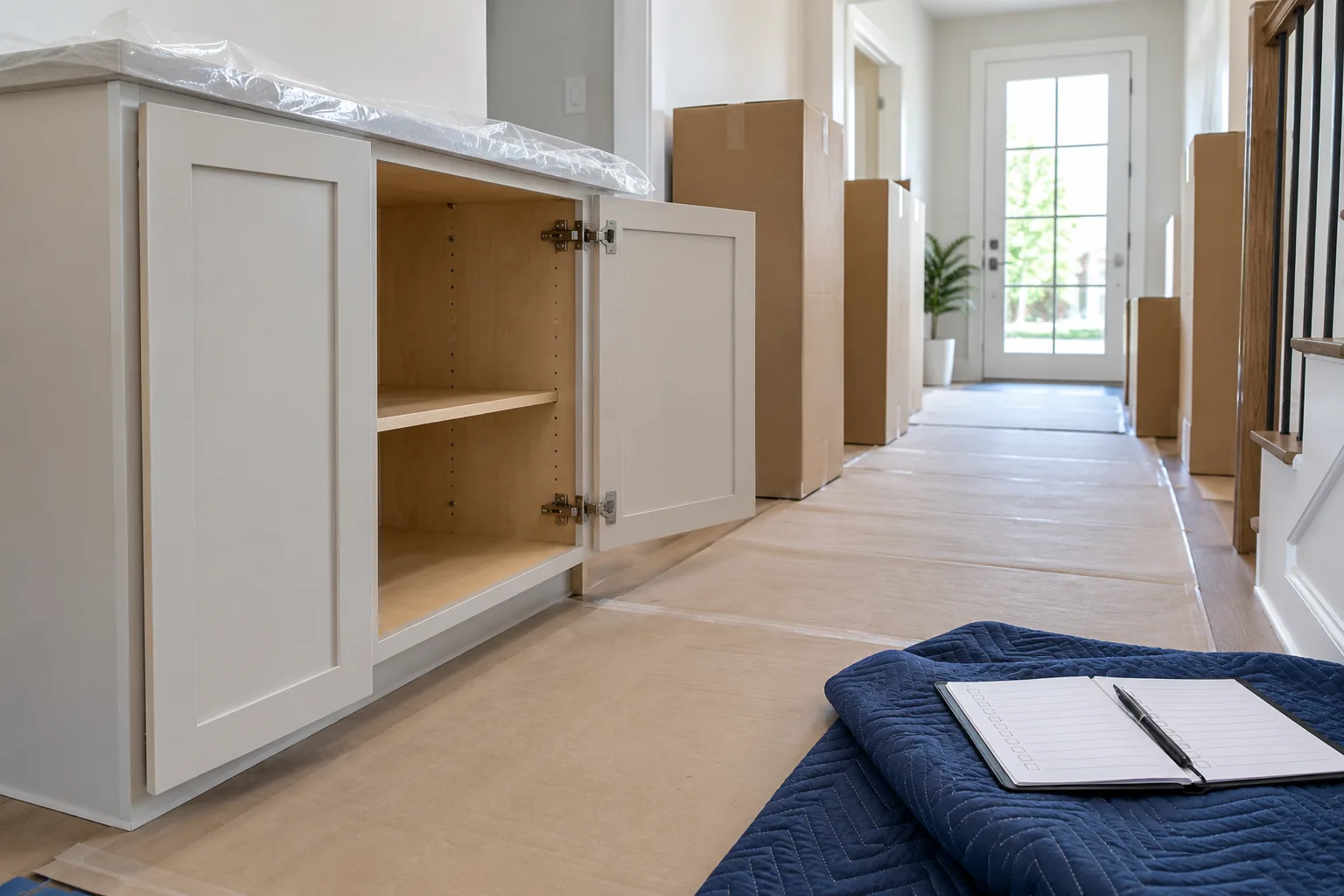
Delivery language must come from the party offering it. Curbside, threshold, indoor carrying, pickup, redelivery, and storage can assign very different responsibilities. The buyer should obtain those terms in writing and connect them to the same quote and cabinet schedule used for the purchase.
About Westminster Cabinet Compass
Know who handles each part
Independent cabinet buying information and quote-request service. We do not manufacture, stock or install cabinets. A referral, supplier response, appointment or purchase is not guaranteed. Product availability, delivery and installation must be confirmed directly with the seller or separately engaged contractor.
Document the destination, route questions, and receiver
Record the full receiving address and distinguish it from the project address when necessary. Name a primary receiver and backup contact. Provide the seller only the access facts known to the buyer, then list questions about parking, loading, stairs, elevators, doorway paths, restricted hours, or weather exposure for the responsible parties.
Do not describe access as easy or standard. A locality name does not prove coverage, and an address on a quote does not by itself define the handoff. Ask the seller to confirm that it accepts the destination and to state where its or the carrier’s responsibility ends.
Prepare a private route note with photographs or dimensions when useful, but label their source and date. The property contact confirms building rules; the seller or carrier confirms its offered service; separately engaged providers confirm any carrying or storage work.
Match package information to the cabinet schedule
Ask what package count, labels, pallet information, or shipment documents will be available. One cabinet may occupy more than one carton, and trim or accessories may be consolidated. The receiver needs a way to connect arriving labels to the accepted order without assuming one package per schedule line.
Create a receiving worksheet with the order version, expected documents, package count if supplied, visible condition, exceptions, and photographs. Decide who completes it. Follow seller instructions about opening, inspection, packaging retention, and reporting.
If delivery occurs in phases, issue a worksheet for each one and reconcile it against the remaining order. Do not mark a product received merely because a shipment arrived; the record should state what was actually identified.
Plan for discrepancies before the truck arrives
Obtain the seller’s process for visible damage, concealed damage, missing packages, missing parts, and incorrect items. Record the contact method and any stated evidence or timing requirements. No general guide can replace the accepted seller terms.
On arrival, document visible condition before products are moved when practical and permitted. Preserve labels and packaging as instructed. If the receiver signs a carrier document, that person should understand what the signature represents under the actual terms rather than relying on a generic assumption.
Keep an exception log with the affected item, evidence, report date, acknowledgement, and status. A disputed or incomplete item remains open until the responsible seller provides a resolution. This site does not inspect deliveries or manage claims.
Compare freight, pickup, storage, and redelivery cost
Place product price and logistics on separate lines. Ask whether freight covers curbside, threshold, another stated handoff, or pickup. Add any quoted carrying, lift equipment, appointments, storage, redelivery, or other access-related charges. A missing charge is unknown, not included.
For pickup, consider vehicle suitability, loading responsibility, securement, weather protection, unloading, and protected storage. For delivery, consider who is present and what happens if the handoff cannot occur. Obtain answers from the seller, carrier, or separately engaged provider rather than estimating their policies.
All discussed amounts remain estimates, subject to change, and the written quote establishes final price for the accepted destination and handoff. Compare proposals on the same terms. A lower freight line may describe a different stopping point or leave handling elsewhere.
Prepare protected staging after receipt
Identify a dry, secure area large enough for the order and safe from unrelated work. Ask the product seller for applicable storage and stacking instructions. Separate damaged or disputed packages when instructed, and keep their labels associated with the exception record.
Plan how cabinets move from receiving to staging without claiming the route is suitable. Doorways, stairs, elevators, corners, and finished surfaces may require property-specific review. Assign that review to the property contact and any provider responsible for moving the products.
Maintain access to the schedule and package record while products are stored. If an installer or assembler later receives custody, document that handoff. Delivery completion does not establish assembly or installation completion.

Confirm the written handoff before ordering
Before approval, align the delivery address, contact, order version, package assumptions, and chosen handoff. Ask the seller to identify the carrier or process if known and confirm how schedule changes affect freight. Save the response with the accepted quote.
Review cancellation, rescheduling, damage, and missing-item terms. Confirm which party unloads, carries, stores, assembles, and disposes of packaging. Every unassigned responsibility should remain open rather than being attributed to Westminster Cabinet Compass.
The final plan should be usable by someone who did not negotiate the order. It should show whom to contact, what documents to check, what evidence to preserve, and where the seller’s instructions control.
Practice the receiving conversation before the handoff
Walk the receiver through a hypothetical arrival. The driver calls from the destination, several packages show visible damage, and the count differs from the available shipment document. The receiver should know whom to contact, what the seller says to record, where undamaged products can be protected, and which actions require instruction.
This exercise is not a prediction and does not create a claim procedure. It tests whether the written plan contains usable contacts and seller-specific directions. If the answer is “we will figure it out,” the buyer has found an open question before products and time are at risk.
Also rehearse an uneventful arrival. Decide where documents, package labels, photographs, and exception notes will be stored. Confirm who updates the order record and who receives custody next. A clear routine reduces the chance that evidence is separated from the relevant item.
Revise the plan after any quote, address, contact, or handoff change. Give the receiver the final version and archive prior copies. The goal is a traceable transition from seller to receiver, not a generic promise that delivery will be simple.
Inquiry process
From buying questions to a possible supplier quote
Sending an inquiry does not reserve products or book work.
Describe the purchase
Include project ZIP, room, approximate cabinet list and preferred timing.
Clarify requirements
Identify assembly, access, measurements and any separately arranged labor.
Confirm referral availability
An inquiry can be referred only if a suitable seller accepts the location and product request.
Review seller terms
Confirm the final drawing, itemized price, payment, delivery and return terms directly before ordering.
Illustrative product choices
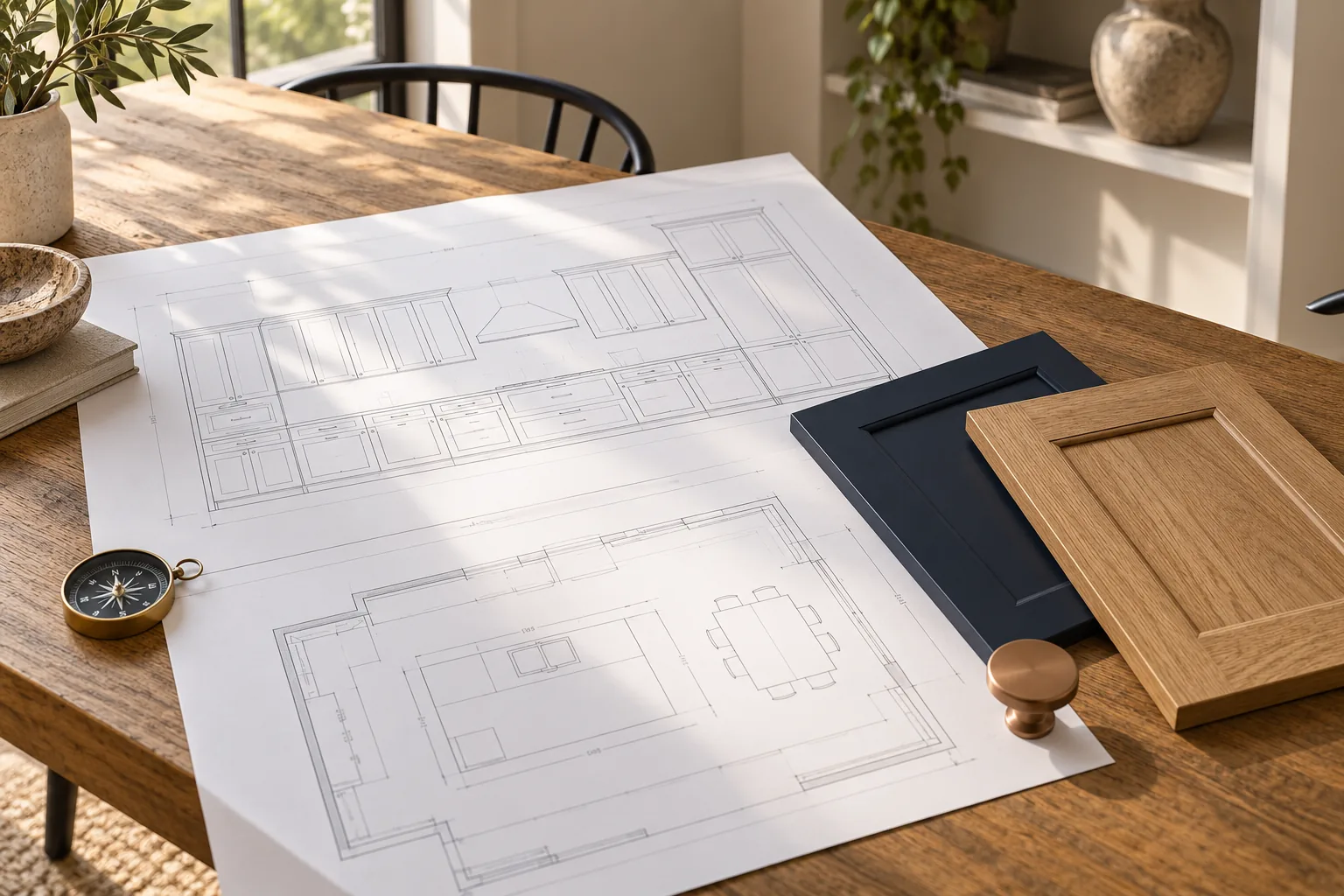
Illustrative product visualizations, not completed work, local properties or supplier facilities.
Local buying information
Local inquiry guides
Questions
Cabinet Delivery and Pickup Planning: Common Questions
Does this service deliver cabinets?
No. It provides independent planning information for an inquiry. Delivery, pickup, carrying, storage, assembly, and installation must be confirmed with the sellers, carriers, or separate providers offering them.
Who must be present at receipt?
The buyer should name a receiver who is authorized and able to follow the seller and carrier instructions, compare available package information, record visible condition, and report exceptions. The offering party must confirm any attendance requirements.
How should visible damage be recorded?
Follow the seller’s terms. Note the affected package or item, preserve labels and packaging as instructed, take clear photographs when appropriate, and report through the stated process. Keep the acknowledgement and resolution in the exception log.
When should storage and access be confirmed?
Before accepting the order and handoff. Confirm property rules, route questions, protected staging, and responsibility for carrying with the relevant parties. Recheck them whenever the destination, package format, or delivery terms change. Keep the written confirmation with the current order record.
Talk to us about cabinet delivery and pickup planning
Describe the purchase and project ZIP in Westminster. Supplier acceptance and any referral are confirmed separately; no visit or quote is booked by this form.
Calls only, we do not receive text messages.