
RTA and Assembled Cabinets in Westminster, MD
Compare assembly requirements alongside cabinet construction and order details.
Send my cabinet inquiry
Or call (562) 203-3232. Calls only, we do not receive text messages.
Buying questions: rta and assembled cabinet buying
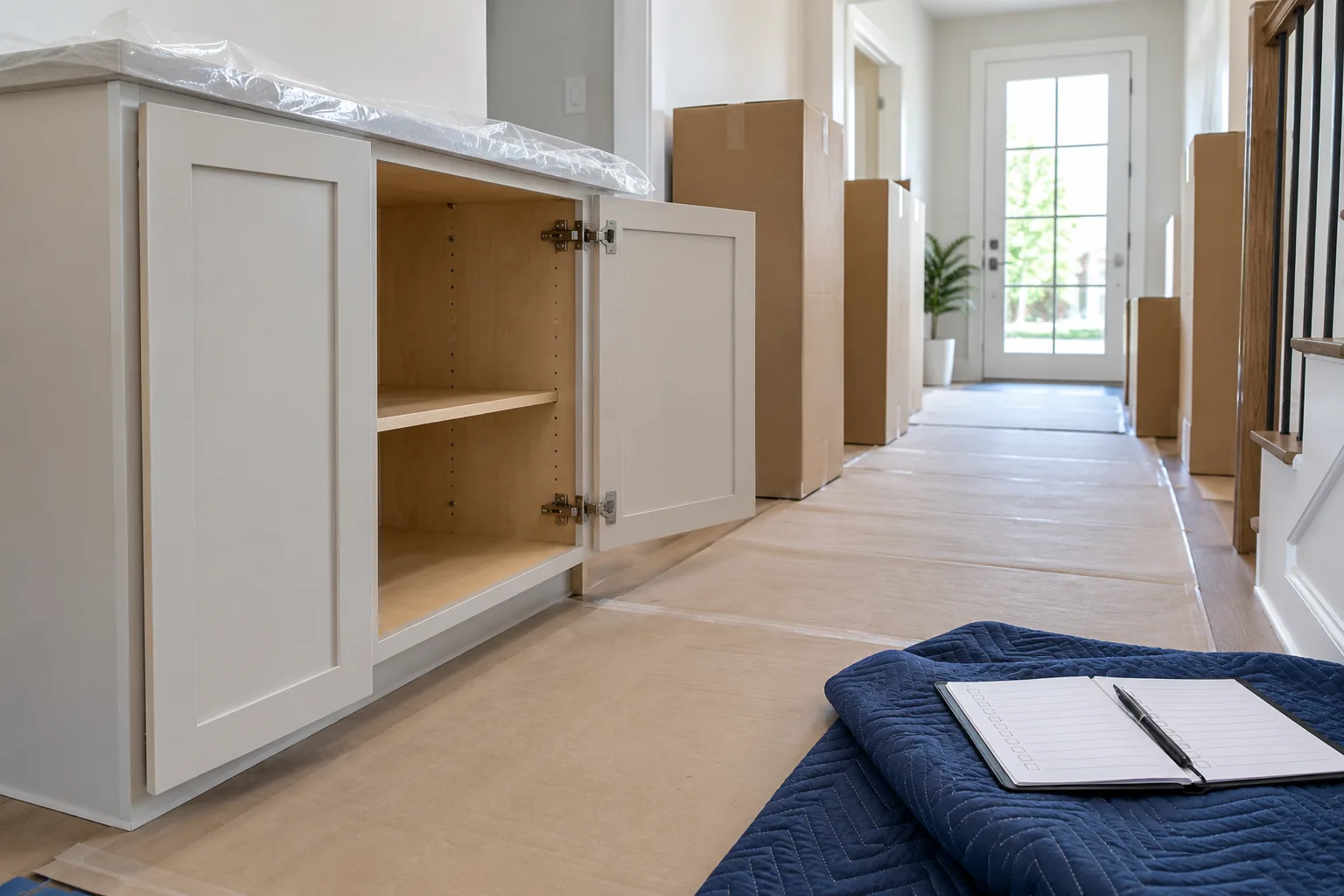
RTA and assembled labels do not answer every question. A flat package may shift assembly and parts checking to the receiving side, while an assembled unit may require more protected space and a different carrying plan. The seller’s documents for the exact product control, and any outside labor must be arranged separately.
About Westminster Cabinet Compass
Know who handles each part
Independent cabinet buying information and quote-request service. We do not manufacture, stock or install cabinets. A referral, supplier response, appointment or purchase is not guaranteed. Product availability, delivery and installation must be confirmed directly with the seller or separately engaged contractor.
Compare the actual construction before the shipping format
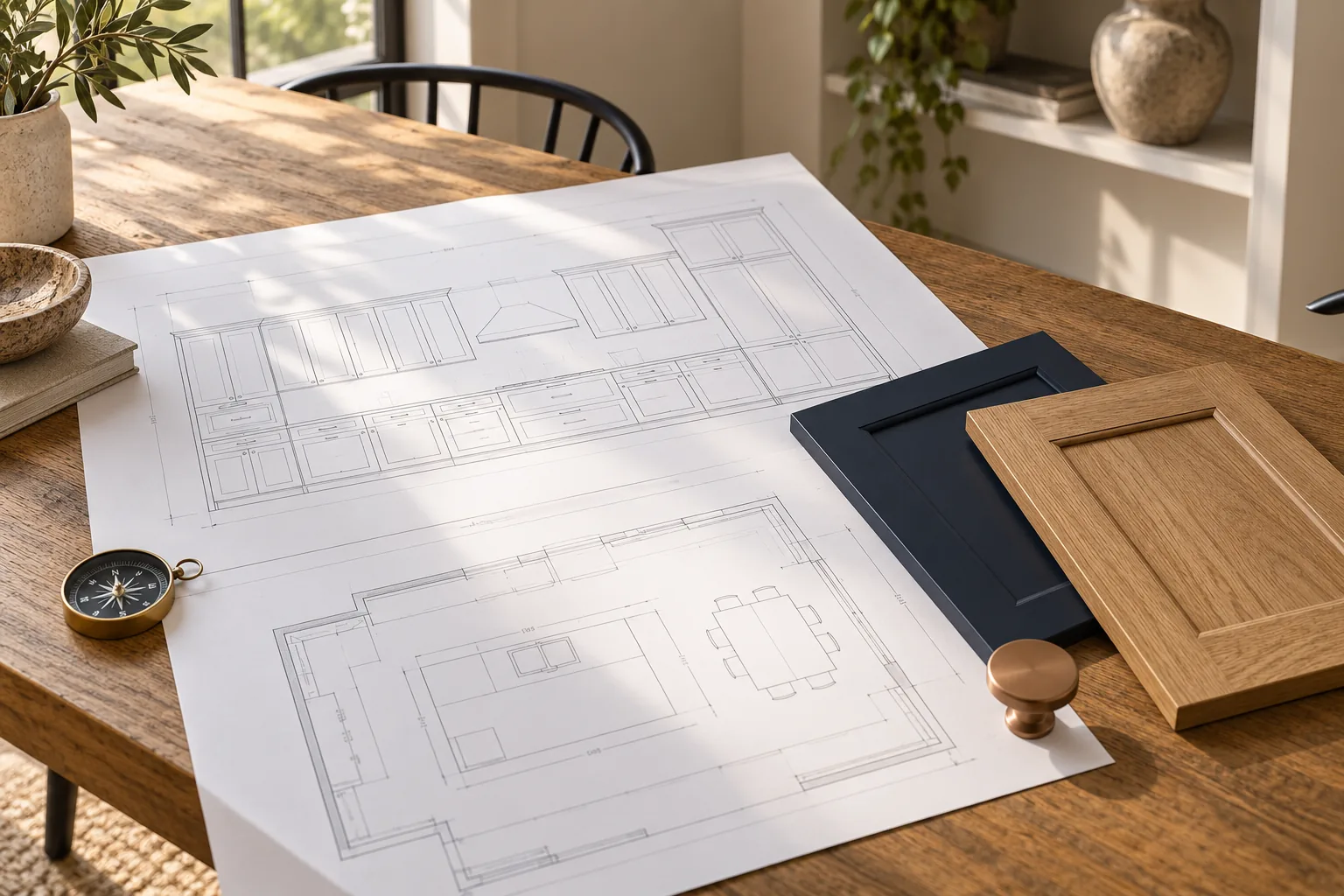
Begin with the product specifications rather than the RTA or assembled label. Ask the seller to describe the box material, back, shelves, drawer construction, joinery, hinges, slides, interior finish, and door or front for the exact proposed line. Two products with the same shipping format can differ in ways that matter more than who joins the parts.
If a performance standard or certification matters, request evidence tied to the named product. KCMA identifies ANSI/KCMA A161.1 as a performance and construction standard for kitchen and vanity cabinets, but that fact does not prove an unknown line is certified. Preserve the seller’s documentation with the quote.
Use a side by side sheet with one row per feature and a final column for “not stated.” Do not fill a blank with a guess. A buyer can prefer a disclosed construction without turning that preference into a universal ranking of every RTA or assembled cabinet.
Define assembly responsibility in writing
For an RTA option, obtain the manufacturer’s current instructions for the exact units and review the required tools, hardware, adhesives if any, work surface, and sequence. Ask whether parts are predrilled, how panels are identified, and whether special cabinets have different steps. General familiarity with furniture assembly is not evidence that a particular cabinet will arrive or go together the same way.
Name who will perform the work. If the buyer plans to assemble, estimate the workspace and protected staging needed without inventing a completion time. If another provider may assemble, request a separate written scope showing which units, hardware, adjustments, packaging disposal, and damage discoveries it covers.
For an assembled option, ask what “assembled” means. Doors, shelves, drawers, decorative parts, or accessories may still need placement or adjustment. Keep installation outside the assumption. A built cabinet is not automatically attached, leveled, scribed, or ready for counters.
Plan package count, receipt, and protected storage
Ask the seller for available package information before choosing the format. RTA orders may create more individual cartons; assembled units may occupy more volume and be harder to move through a doorway. The buyer should provide the exact receiving address and raise questions about parking, stairs, elevators, interior routes, and storage with the responsible parties.
Create a receiving sheet with spaces for the seller’s expected package count, labels, visible condition, and exceptions. Do not open or discard packaging contrary to seller instructions. Photograph visible damage when appropriate and preserve labels that connect a package to the order. The seller’s reporting process and deadline must come from its own terms.
Protected storage matters before and after assembly. Ask what environmental and stacking instructions apply to the product. Identify who controls the storage space and who can prevent unrelated work from damaging the order. Westminster Cabinet Compass does not receive, inspect, assemble, or store products.
Compare cost across the full responsibility shift
Place the cabinet product price on the first line, then list assembly, freight, pickup or delivery, carrying, storage, packaging disposal, and separately contracted installation on their own lines. A lower RTA product subtotal may leave meaningful work to the buyer. An assembled subtotal may still exclude delivery or adjustments. Neither difference is a defect when it is disclosed.
Use the same cabinet schedule for both options. If an assembled proposal substitutes a different line or construction, label it as a product alternate rather than attributing the entire price difference to assembly. Check panels, fillers, trim, accessories, and finish selections again because those quantities can change independently of format.
All discussed amounts are estimates, subject to change, and the accepted seller’s written quote establishes final price and inclusions. Obtain separate proposals for outside labor. The FTC’s written estimate guidance supports comparing scope, materials, completion information, and price instead of relying on a verbal package total.
Test the choice with a hypothetical handoff
Consider a hypothetical order with several base cabinets, wall cabinets, tall units, panels, and trim. Under an RTA proposal, the buyer might need to receive many labeled cartons, protect them, inventory parts, create assembly space, and manage completed units before installation. Under an assembled proposal, fewer but bulkier pieces might require a different path and storage footprint.
This example does not predict an actual package count or delivery condition. Its purpose is to expose questions. Which format can the destination receive? Who checks parts? Who assembles? What happens when a part is missing? Where are finished units protected? Which seller document answers each question?
Score each option only after those answers arrive. A buyer may reasonably value lower handling complexity, direct control over assembly, a particular construction, or a clearer damage process. Record the reason for the choice so a later revision does not silently change the responsibility that drove it.
Confirm seller terms before authorizing an order
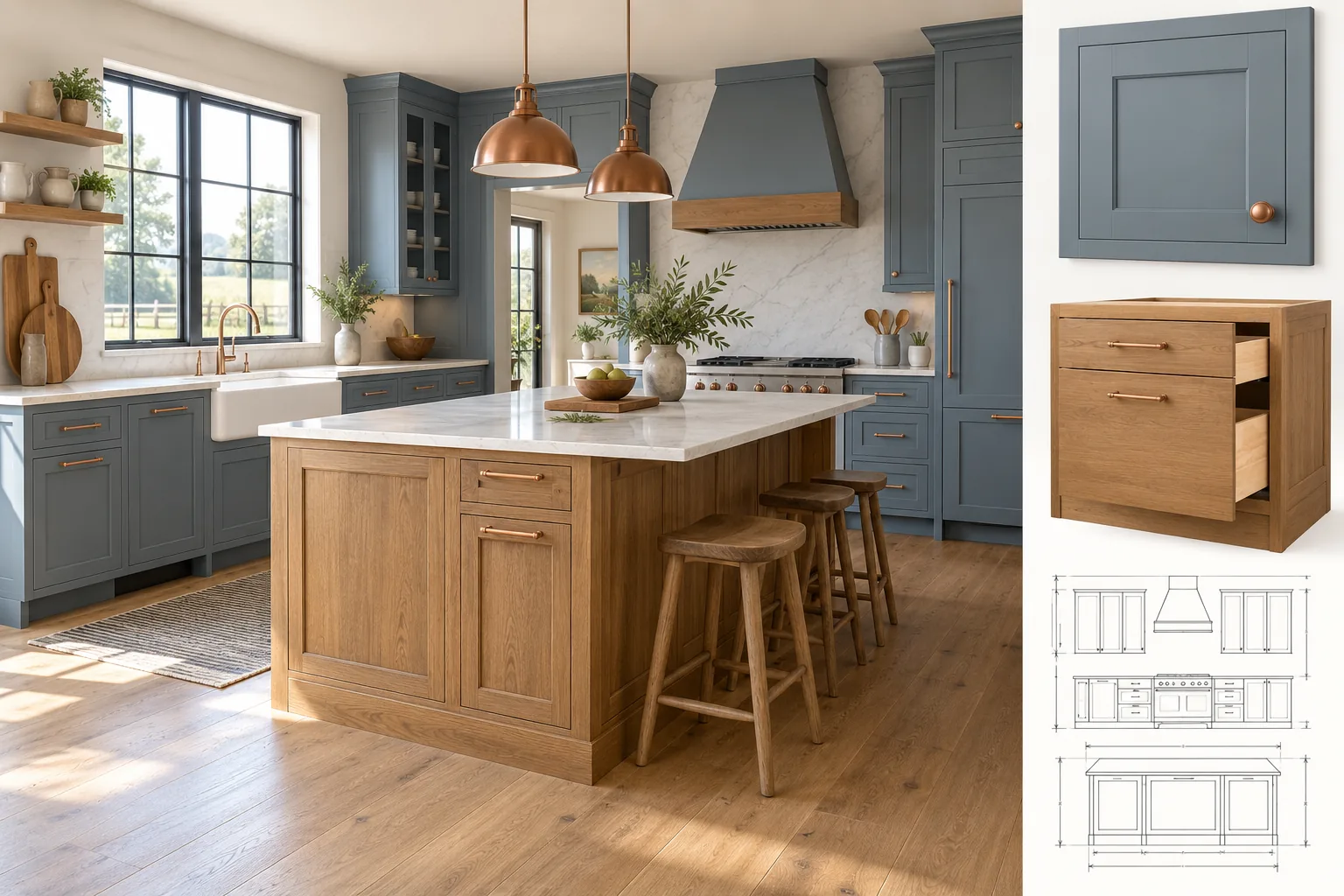
Before approval, match the quote, cabinet schedule, construction documents, assembly instructions, and delivery address to the same version. Confirm what happens if a package is damaged, a part is missing, or an assembled unit arrives out of adjustment. Ask how replacements are requested and which evidence must be retained.
Review payment, cancellation, return, and change terms in the seller’s documents. Confirm availability and acceptance directly; an inquiry is not a reservation. Identify the person responsible for final dimensions and product compatibility, since the choice between formats does not settle whether the cabinets fit the room.
Save the accepted version and the rejected alternate. The final record should show the selected format, who owns assembly and receiving, which outside work remains separate, and every unresolved exception. That is a practical order decision, not a broad claim that one format is always superior.
Inquiry process
From buying questions to a possible supplier quote
Sending an inquiry does not reserve products or book work.
Describe the purchase
Include project ZIP, room, approximate cabinet list and preferred timing.
Clarify requirements
Identify assembly, access, measurements and any separately arranged labor.
Confirm referral availability
An inquiry can be referred only if a suitable seller accepts the location and product request.
Review seller terms
Confirm the final drawing, itemized price, payment, delivery and return terms directly before ordering.
Illustrative product choices
Illustrative product visualizations, not completed work, local properties or supplier facilities.
Local buying information
Local inquiry guides
Questions
RTA and Assembled Cabinet Buying: Common Questions
What changes between RTA and assembled delivery?
RTA commonly shifts more assembly and parts checking to the receiving side and may involve more cartons. Assembled units may be bulkier and still require shelves, doors, accessories, or adjustments. The exact package count, condition, handoff, and remaining work must come from the seller.
Who performs cabinet assembly?
Only the party named in a written agreement. The buyer may assemble an RTA product according to its instructions or separately engage a provider. Westminster Cabinet Compass does not assemble cabinets, and an assembled product should not be assumed to include installation.
How should damage or missing parts be documented?
Follow the seller’s instructions. Preserve relevant packaging and labels, count packages, note visible condition, take clear photographs when appropriate, and report the discrepancy through the seller’s stated process. Do not invent a universal deadline or discard evidence before checking the terms.
Does this site stock either cabinet type?
No. This site provides independent buying information and inquiry preparation. It does not stock, sell, reserve, deliver, assemble, or install RTA or assembled cabinets, and it does not guarantee a supplier response.
Talk to us about rta and assembled cabinet buying
Describe the purchase and project ZIP in Westminster. Supplier acceptance and any referral are confirmed separately; no visit or quote is booked by this form.
Calls only, we do not receive text messages.