
Location Details for Cabinet Inquiries Near Westminster
Bring your project details together before considering a cabinet purchase.
Send my cabinet inquiry
Or call (562) 203-3232. Calls only, we do not receive text messages.
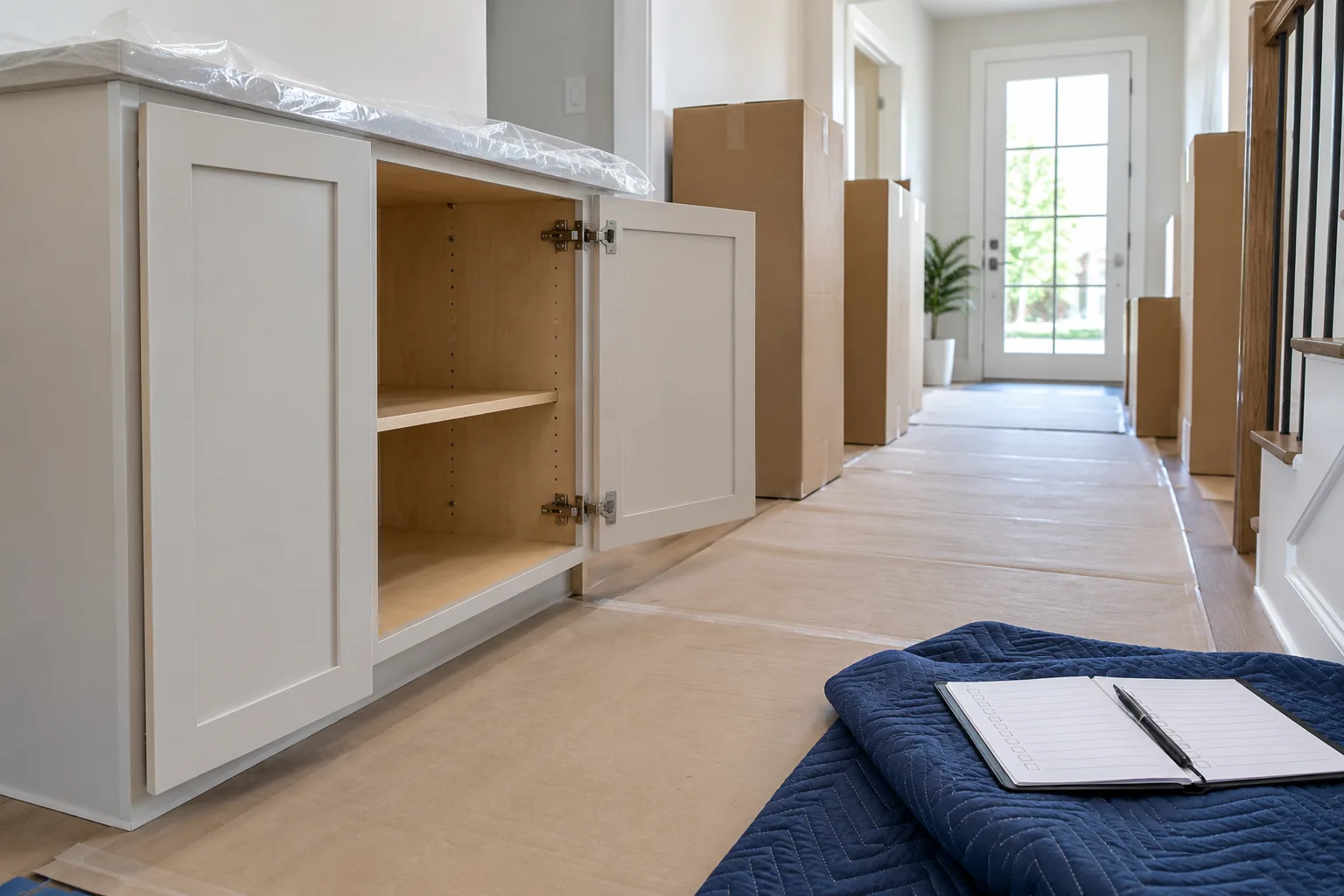
Project location changes the buying questions
Location becomes useful when it changes a concrete purchasing question. The buyer can identify where products would be received, who can accept them, what access details remain unknown, and which seller terms must be obtained in writing. The resulting record supports comparison without inventing a service boundary. Keep the quote, address confirmation, carrier terms, and receiving notes together so the person at the destination can distinguish a seller commitment from a planning assumption.
About Westminster Cabinet Compass
Know who handles each part
Independent cabinet buying information and quote-request service. We do not manufacture, stock or install cabinets. A referral, supplier response, appointment or purchase is not guaranteed. Product availability, delivery and installation must be confirmed directly with the seller or separately engaged contractor.
Local buying information
Local buying guides
Use the exact project and receiving addresses
Start by distinguishing the project address from the receiving address. They may be the same, but a pickup location, warehouse, contractor facility, or temporary storage site changes the handoff. Record the full address only in the private inquiry, not as a general claim about a locality. Add the purchaser and receiving contact with a reliable way for the seller or carrier to reach them.
Ask whether the quoted freight is tied to that exact destination and whether the seller must approve it before ordering. A proposal that says “local delivery” still needs a written description of the offered area and handoff. Do not infer acceptance from a Westminster, Eldersburg, Sykesville, or Taneytown label.
Keep property questions separate from the cabinet list. Note known concerns about parking, stairs, elevators, doorway dimensions, loading times, or protected storage, but mark them unverified until the building or property contact confirms them. This site does not inspect the route or decide which rules apply.
Read local planning sources at their stated scale
Official planning material can explain the geography it was written to address. Carroll County’s Freedom planning material, for example, describes a broader area associated with Eldersburg and Sykesville. Taneytown publishes municipal maps and planning documents. Those records are not cabinet delivery maps, seller territories, or findings about an inquiry address.
Use a local source only when its narrow observation helps frame a question. A corridor study may prompt a buyer to give the exact receiving address instead of a road name. A municipal document index may prompt a property-specific check rather than an assumption. Neither source establishes that an interior purchase needs approval.
When the address or jurisdiction is uncertain, write “to be confirmed” and identify the person who can confirm it. Avoid converting planning vocabulary into a property fact. The practical value of local context is that it points to a better question, not that it supplies an answer beyond the source.
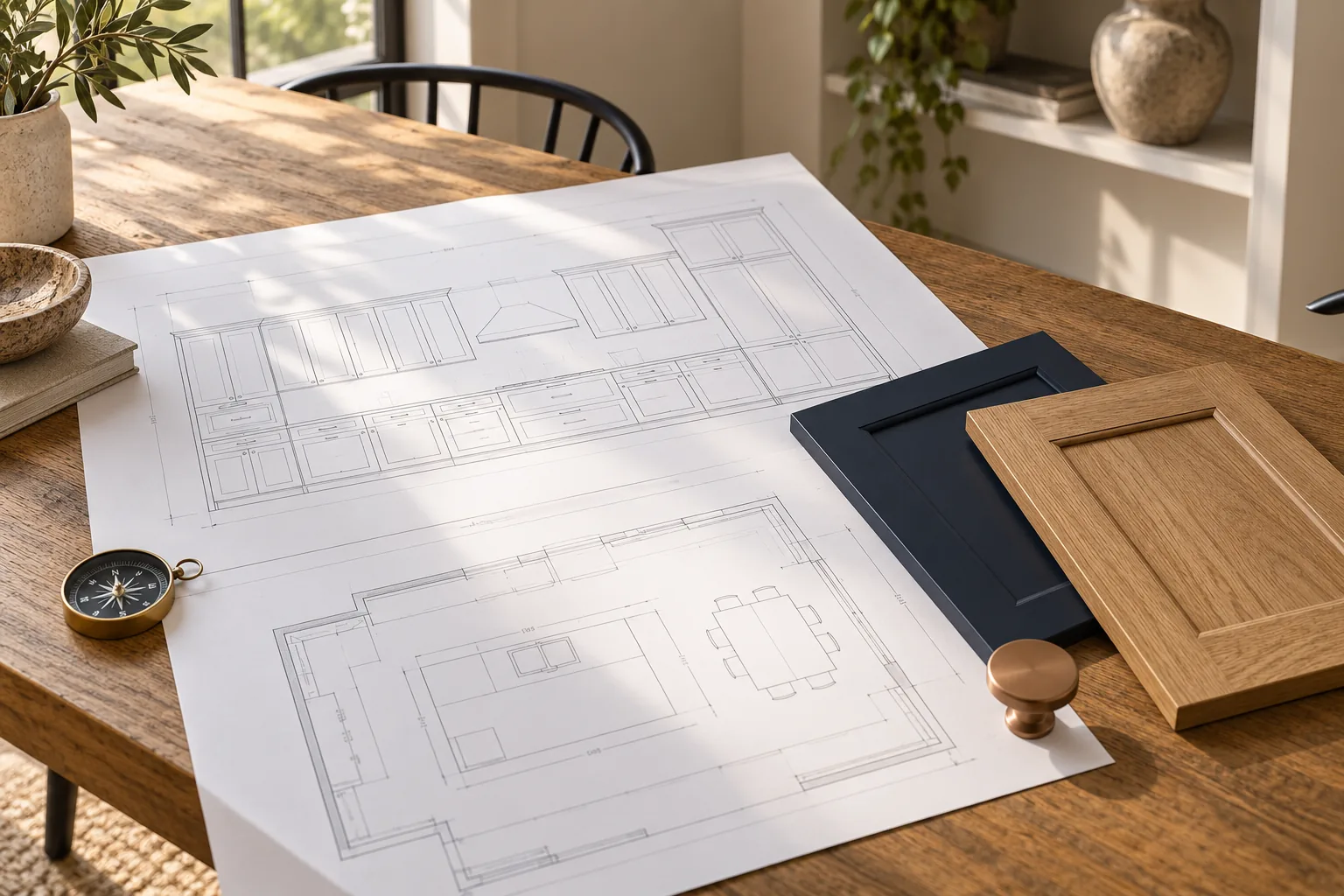
Price freight, access, and storage as separate variables
Ask sellers to distinguish pickup, freight, curbside delivery, threshold handoff, indoor carrying, and any other option they actually offer. These words can describe different responsibilities. A quote should state where the seller or carrier stops, who unloads, and whether package count or weight information will be available before the handoff.
Access can create work without changing the cabinet price. A buyer may need separate carrying, elevator coordination, temporary protection, or storage. List those possibilities as questions, then obtain terms from the relevant provider. Do not put an assumed access charge into the cabinet subtotal or describe an unknown service as included.
All discussed amounts are estimates, subject to change, and the written quote establishes final price for the accepted address and scope. If the seller has not priced redelivery, storage, or a missed handoff, record those items as unknown. A blank is a prompt for follow-up, not permission to enter zero.
Confirm acceptance and build a receiving record
Before an order, obtain written confirmation that the seller accepts the destination and understands the requested handoff. Record the order or quote version, expected package information, receiving contact, and seller-specific instructions for visible damage or missing pieces. If a carrier will be involved, preserve its terms as well.
On the receiving plan, provide spaces for arrival date, package count, visible condition, labels, photographs, and exceptions. The buyer should decide who will make that record and where it will be stored. The seller’s reporting deadline and required evidence must come from its own documents; no general article can supply those terms.
Finally, connect the receiving plan back to the product schedule. A delivery may contain multiple boxes for one cabinet or consolidated trim pieces. The responsible receiver needs enough information to compare what arrived with what was ordered without opening or handling products contrary to seller instructions.

Prepare an address specific question sheet
Put the destination at the top of a private question sheet, followed by the project address if different. Under it, list only facts the buyer knows: proposed receiving contact, preferred date range if one exists, and known site questions. Avoid statements such as “easy access” or “standard delivery” unless the responsible provider has defined and confirmed them.
Use a yes, no, unknown format for parking permission, loading area, stairs, elevator, doorway path, weather protection, and secure storage. An unknown answer is useful because it tells the buyer what to investigate. Attach a photograph only as context and label where and when it was taken.
Send the seller the questions that affect its offer. Send property-rule questions to the authorized property contact. Send carrying or storage questions to the party that might perform that work. This routing prevents one recipient’s silence from being mistaken for another party’s approval.
Audit a location change before approving it
If the receiving address changes after a quote, treat that as a commercial revision. Ask the seller whether acceptance, freight, handoff, timing, or tax treatment changes. Do not simply edit the address on the buyer’s copy of an earlier proposal.
Recheck the receiving contact and route questions for the new location. A storage site may solve one access problem while creating a later transportation and handling responsibility. Record each handoff, including who protects the products between them.
Keep the prior quote and the seller’s written response to the change. The file should show which destination was priced and accepted. That evidence is more reliable than a locality assumption and gives the receiver a clear document to use on arrival.
Illustrative product choices
Illustrative product visualizations, not completed work, local properties or supplier facilities.
Questions
Coverage questions
Does a listed locality prove delivery coverage?
No. A locality page provides buying context only. Delivery coverage exists only when a seller or carrier accepts the exact destination and states the offered handoff and charges in writing.
Why does the exact address matter?
The destination can affect seller acceptance, freight, route questions, receiving responsibility, and storage planning. It also prevents a broad town, mailing, or planning-area label from being mistaken for the location of the project.
Who confirms building access or storage rules?
The property owner, manager, association, or other authorized building contact should confirm rules for the exact address. The seller or carrier confirms its delivery terms. This information service does not inspect access or approve storage.
Can locality context replace property verification?
No. Planning documents describe their stated geography and purpose. They do not establish conditions, jurisdiction, approvals, or cabinet requirements for a particular property. Keep every address-specific conclusion open until the responsible source confirms it. Save that confirmation with the accepted quote.
Talk to us about your project
Describe the purchase and project ZIP in Westminster. Supplier acceptance and any referral are confirmed separately; no visit or quote is booked by this form.
Calls only, we do not receive text messages.