
Eldersburg · Taneytown
Cabinet Quote Preparation in Sykesville, MD
Bring your project details together before considering a cabinet purchase.
Send my cabinet inquiry
Or call (562) 203-3232. Calls only, we do not receive text messages.
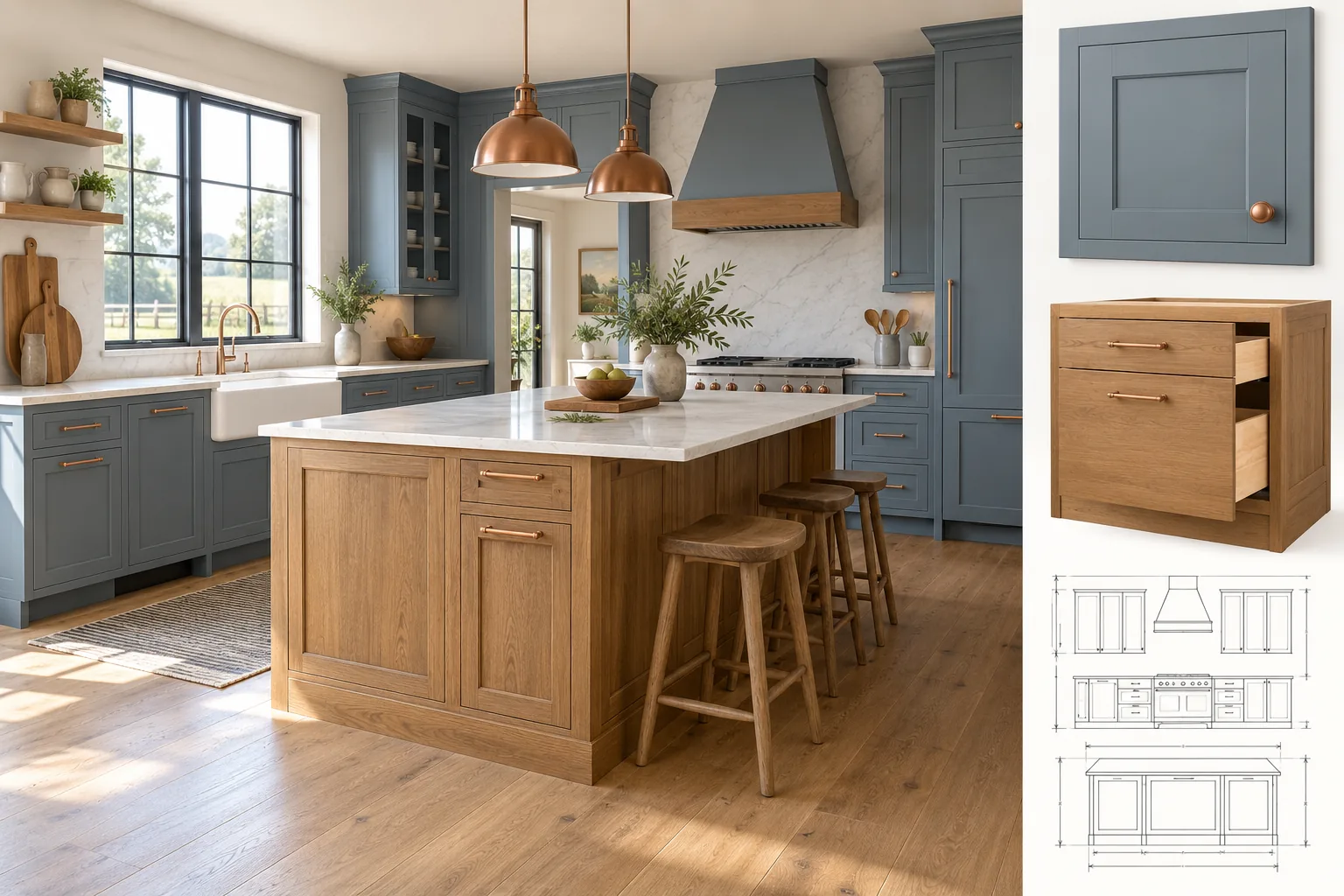
Cabinet purchase preparation in Sykesville
A Sykesville request should name the exact address and responsible purchaser instead of relying on the Freedom-area label. From there, the buyer can control cabinet quantities, finish selections, drawing revisions, freight questions, and outside labor without asking local context to answer a commercial or property question.
About Westminster Cabinet Compass
Know who handles each part
Independent cabinet buying information and quote-request service. We do not manufacture, stock or install cabinets. A referral, supplier response, appointment or purchase is not guaranteed. Product availability, delivery and installation must be confirmed directly with the seller or separately engaged contractor.
Separate the mailing address from the planning-area label
Write the full project address in the private inquiry and ask the authorized property contact to confirm how it should be described. A mailing label, town name, and planning geography can serve different purposes. The county source does not resolve those differences for a particular parcel.
Give the seller the receiving address and ask whether it accepts that location. Do not state that the greater Freedom area is a delivery zone. If products will go to a different staging site, document both addresses and the later handoff.
Keep jurisdiction and property questions in an open-item list. Direct them to the owner, municipality, county, association, or other authorized source as appropriate. This page does not determine which body controls an address.
The Town of Sykesville planning page gives a more practical address question: it says some interior and exterior improvements require town and county permits, while properties in the historic district have a separate commission application step. It does not say a cabinet purchase requires either process. A buyer whose project includes additional property work can describe the exact scope and ask the town and county which process, if any, applies.
Name the purchaser and control the cabinet schedule
Identify the person authorized to request revisions and approve a purchase. Then list cabinets by room and wall with quantities, proposed sizes, construction, finish, panels, fillers, trim, and accessories. A seller should not have to infer which version or person controls.
Mark measurements by source and date. Separate observed dimensions from planning assumptions. Record appliance and sink information, but keep compatibility open until the responsible parties verify the final room and product documents.
Use a version number on every schedule and drawing. Save prior copies. When a quantity changes, update the total and note which room or cabinet caused it. That history prevents a later email attachment from quietly replacing the approved baseline.
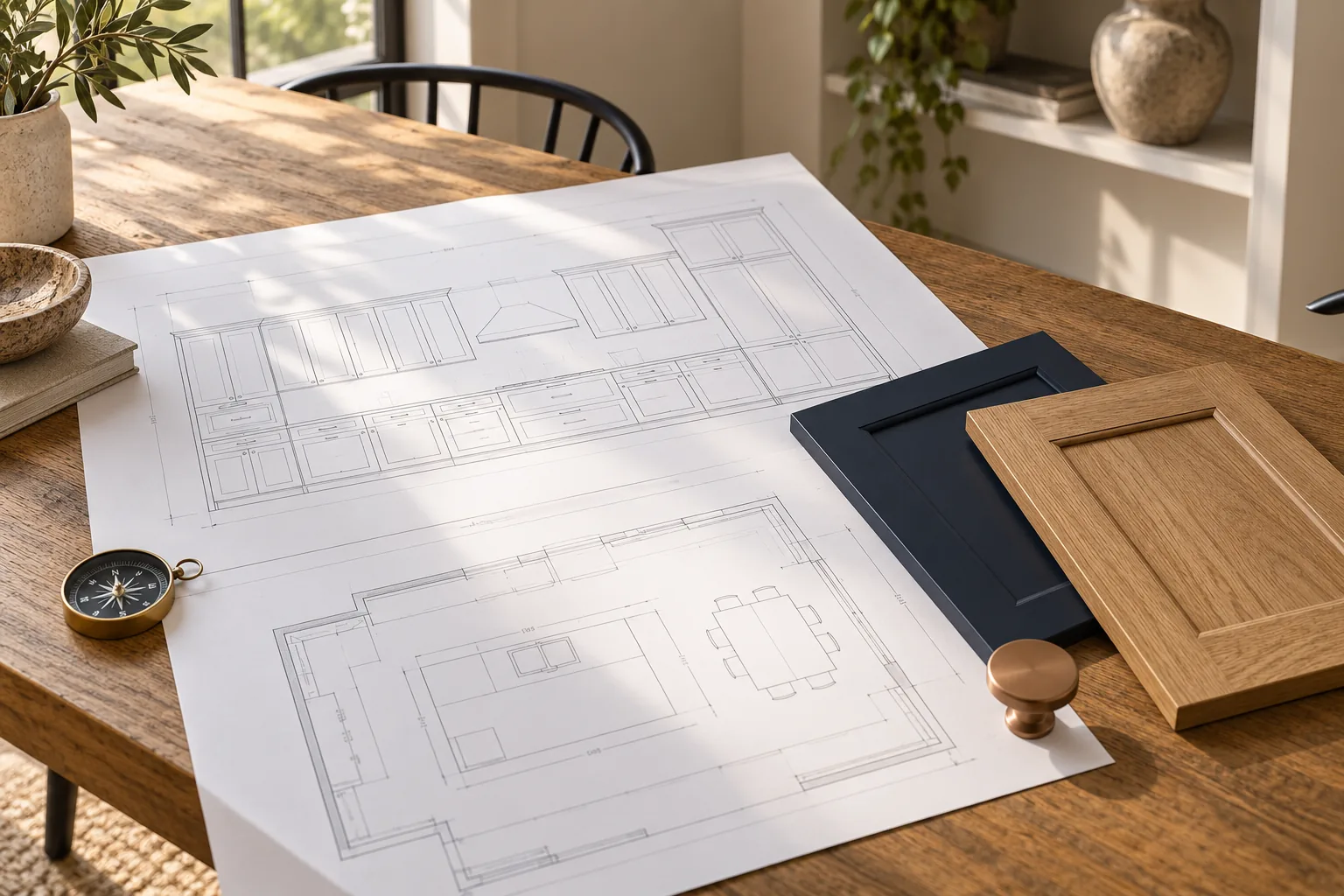
Record alternates without corrupting the baseline
Ask the seller to show an alternate beside the requested baseline. A different construction, finish, cabinet size, or accessory should identify what it replaces and any effect on panels, fillers, trim, freight, or timing.
A hypothetical example is a pantry substituted for separate base and wall cabinets. The change may affect quantity, adjacent fillers, finished sides, and price. Record all affected lines rather than treating the pantry as one isolated adjustment.
Preserve the rejected alternate after a decision. If availability later changes, the buyer can see what was considered without reconstructing the comparison from memory. The seller must still reconfirm current terms.
Compare cost against the same revision
Match product proposals to the same dated schedule. Compare cabinet construction, quantities, finish, panels, fillers, trim, accessories, and explicit exclusions. Then separate freight, delivery, assembly, storage, taxes, and outside labor.
The FTC’s estimate guidance supports comparing written scope, materials, completion information, and price. A lower subtotal may represent a missing item or different responsibility. Circle blanks and ask for clarification instead of assuming they mean zero.
All discussed amounts are estimates, subject to change, and the seller’s written quote sets final price for the accepted scope. Measurement, installation, utilities, countertops, and disposal belong in separate written agreements when needed.
Build an address-specific receiving file
Name the receiver, destination, and proposed handoff. Ask about package information, visible-damage records, missing items, and seller reporting instructions. Do not import procedures from another seller or project.
List known access and storage questions conditionally. A particular site may have stairs, limited parking, or storage constraints, but the broader Freedom plan establishes none of those facts. The property contact and delivery provider supply the relevant answers.
Connect the receiving sheet to the accepted schedule revision. The receiver should be able to distinguish an expected package from an unidentified item and preserve labels or photographs as instructed.
Authorize the final handoff without implied promises
Before ordering, reconcile the quote, schedule, drawing, address, purchaser, and receiver. Confirm seller acceptance, availability, payment terms, and delivery terms in writing. A submitted inquiry is not an order or reservation.
Assign final measurements and compatibility decisions explicitly. Westminster Cabinet Compass does not approve them and does not supply or install the products. Leave each unresolved item open until the responsible party answers.
Archive the accepted version with its supporting responses. The record should explain the decision without relying on a broad area name, an automatic referral, or an assumption that any supplier will respond.
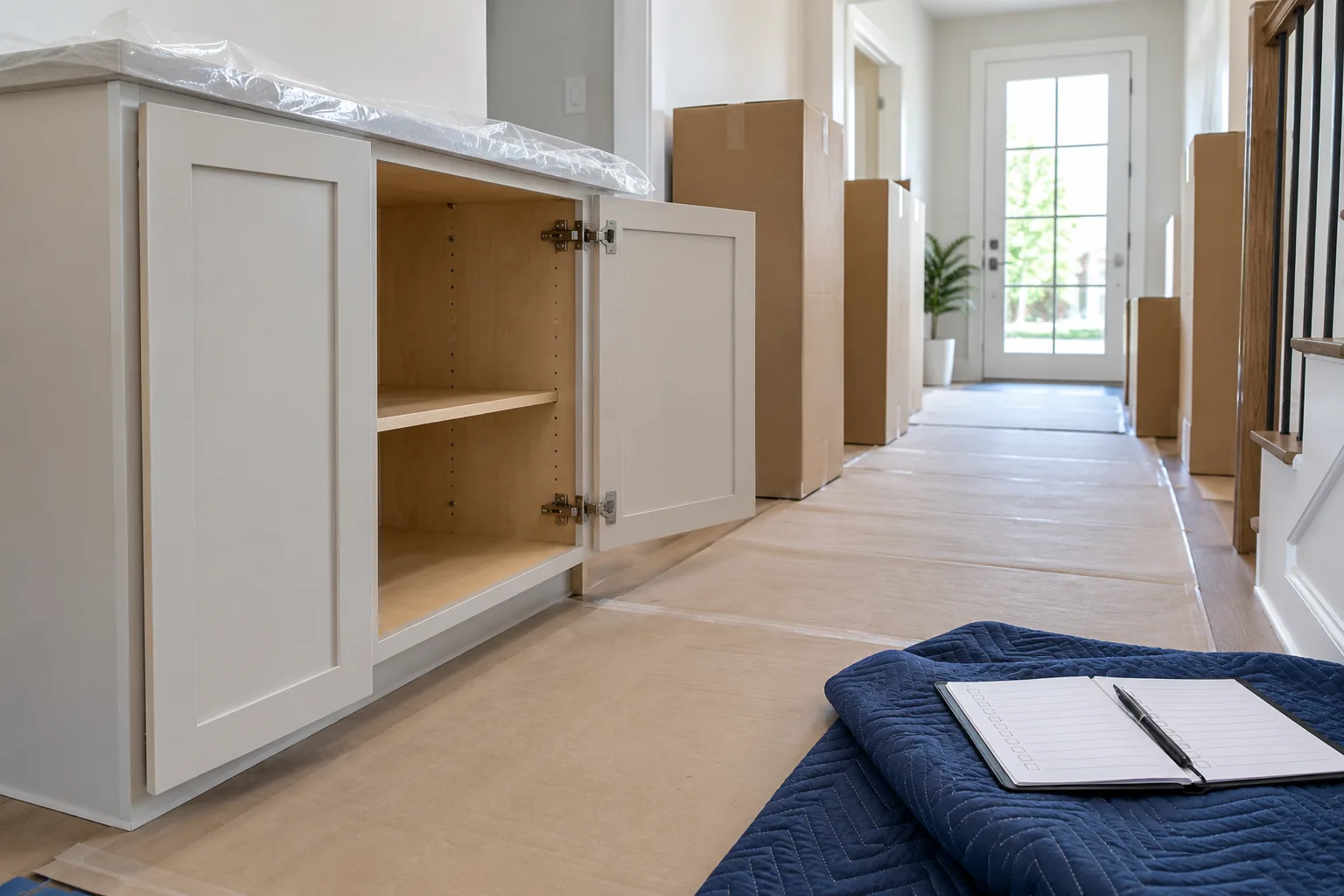
Use a responsibility matrix before seeking approval
Create rows for final dimensions, appliance compatibility, seller acceptance, quote revision, property questions, delivery address, receiving, storage, assembly, and installation. Assign one responsible party to each decision and identify the document that will close it. Several people may contribute information, but the record should show who decides.
A hypothetical kitchen inquiry might have a buyer approving finish, a seller confirming product specifications, a separate professional checking dimensions, and a property contact answering access questions. This example does not establish those roles for every project. It shows why the purchaser should name them rather than rely on the word Sykesville.
Review the matrix whenever the drawing or destination changes. A new appliance can reopen dimension and compatibility rows. A new receiving address can reopen freight and storage rows. Mark reopened decisions clearly instead of leaving an earlier checkmark in place.
Attach the completed matrix to the accepted quote record. It will not replace seller or property documents, but it makes the boundaries between them visible and helps prevent one party’s answer from being applied to another responsibility.
Check the final request for contradictory versions
Before sending, compare every attachment name and date. Confirm that the cabinet schedule matches the drawing, the quote request names the current finish and construction, and the address appears consistently. Remove obsolete copies from the outgoing packet.
Ask one reader who did not prepare the packet to identify the requested decision and open questions. If that person cannot tell which schedule controls, the seller may not be able to tell either. Clarify the cover note rather than adding repeated locality language.
Record what was sent and when. When the response arrives, attach it to that transmission record. This small discipline makes later revisions easier to audit and preserves the exact basis for the seller’s answer.
Inquiry process
From buying questions to a possible supplier quote
Sending an inquiry does not reserve products or book work.
Describe the purchase
Include project ZIP, room, approximate cabinet list and preferred timing.
Clarify requirements
Identify assembly, access, measurements and any separately arranged labor.
Confirm referral availability
An inquiry can be referred only if a suitable seller accepts the location and product request.
Review seller terms
Confirm the final drawing, itemized price, payment, delivery and return terms directly before ordering.
Illustrative product choices
Illustrative product visualizations, not completed work, local properties or supplier facilities.
Local buying information
Other local buying guides
Questions
Sykesville Questions
Is every Sykesville mailing address described by the Freedom plan?
No conclusion like that is supported here. The county describes the plan as covering the greater Eldersburg and Sykesville area, a broader planning geography. Verify the exact address and relevant jurisdiction with authorized sources.
What prevents a locality label from replacing the project address?
Put the full private address, purchaser, receiver, and seller acceptance in the inquiry record. Treat Sykesville and the Freedom area as context only, never as proof of a property location or delivery commitment.
How should quote revisions and alternates be recorded?
Keep the baseline, label each revision, state what changed, and show effects on quantities, construction, finish pieces, accessories, freight, and price. Preserve rejected versions so the accepted scope remains traceable.
Does this page promise a supplier response or delivery?
No. It provides independent buying information. Seller response, availability, referral, delivery acceptance, product supply, measurement, and installation are not guaranteed.
Talk to us about your project in Sykesville
Describe the purchase and project ZIP in Westminster. Supplier acceptance and any referral are confirmed separately; no visit or quote is booked by this form.
Calls only, we do not receive text messages.